The automotive industry is experiencing a digital revolution, and your website needs to keep pace with rapidly evolving customer expectations. In 2025, successful auto dealerships and service centers are embracing cutting-edge web design trends that not only look stunning but also drive measurable business results. Let's explore the essential trends transforming automotive websites this year.
1. Immersive 3D Vehicle Showcases
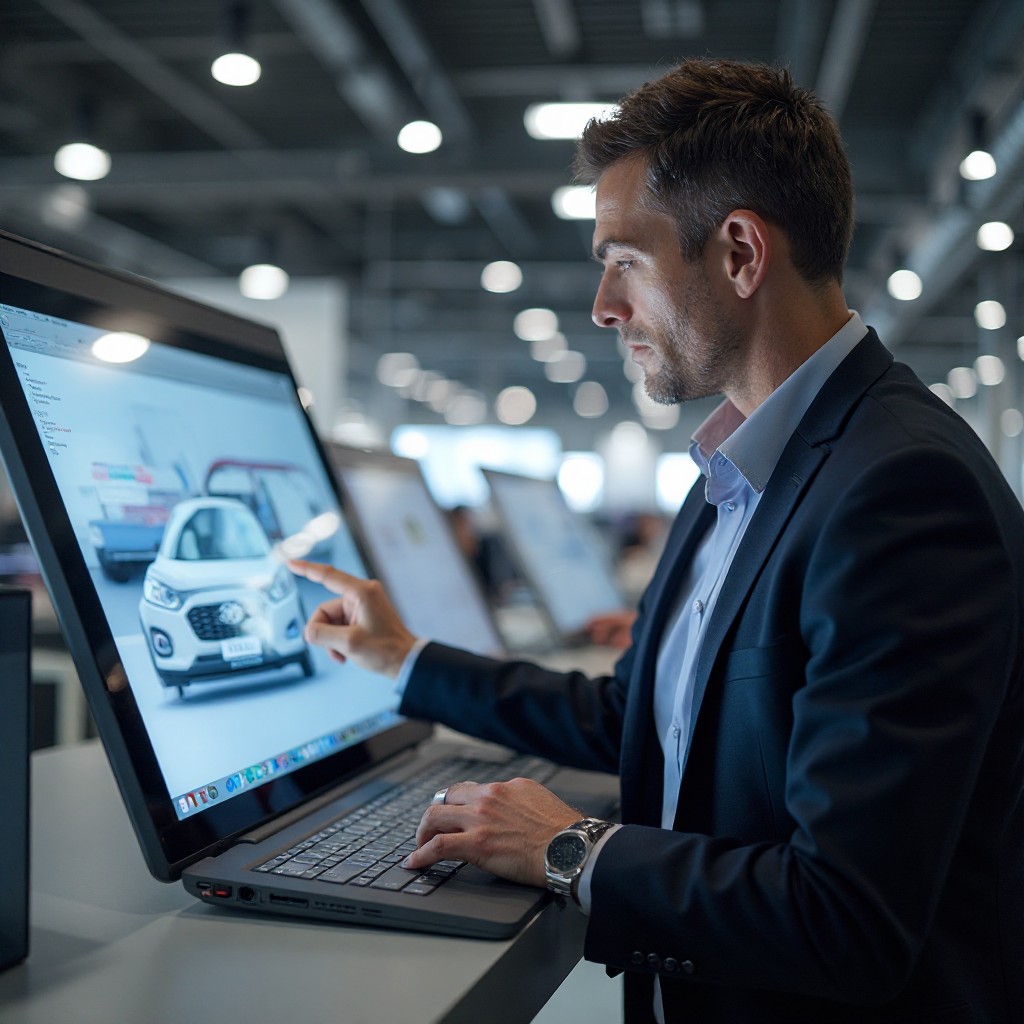
Gone are the days of static photo galleries. Today's auto shoppers expect interactive, immersive experiences that let them explore vehicles from every angle. Advanced 3D visualization technology allows customers to rotate vehicles 360 degrees, zoom into specific features, change colors in real-time, and even view interior details without visiting your showroom.
Leading dealerships report that implementing 3D vehicle showcases has increased online engagement by up to 65% and reduced the time customers spend on-site before making purchase decisions. The technology has become more accessible and affordable, making it a must-have feature for competitive auto businesses.
2. AI-Powered Chatbots and Virtual Assistants
Modern automotive websites are leveraging artificial intelligence to provide instant, personalized customer service 24/7. AI chatbots can answer common questions about vehicle specifications, financing options, service appointments, and inventory availability without human intervention. More sophisticated implementations use natural language processing to understand complex queries and provide contextually relevant responses.
The impact on customer satisfaction and lead generation has been remarkable. Dealerships implementing AI chatbots report capturing 40% more qualified leads outside business hours and reducing response times from hours to seconds. The key is ensuring your chatbot feels natural and helpful rather than robotic and frustrating.
3. Mobile-First Responsive Design
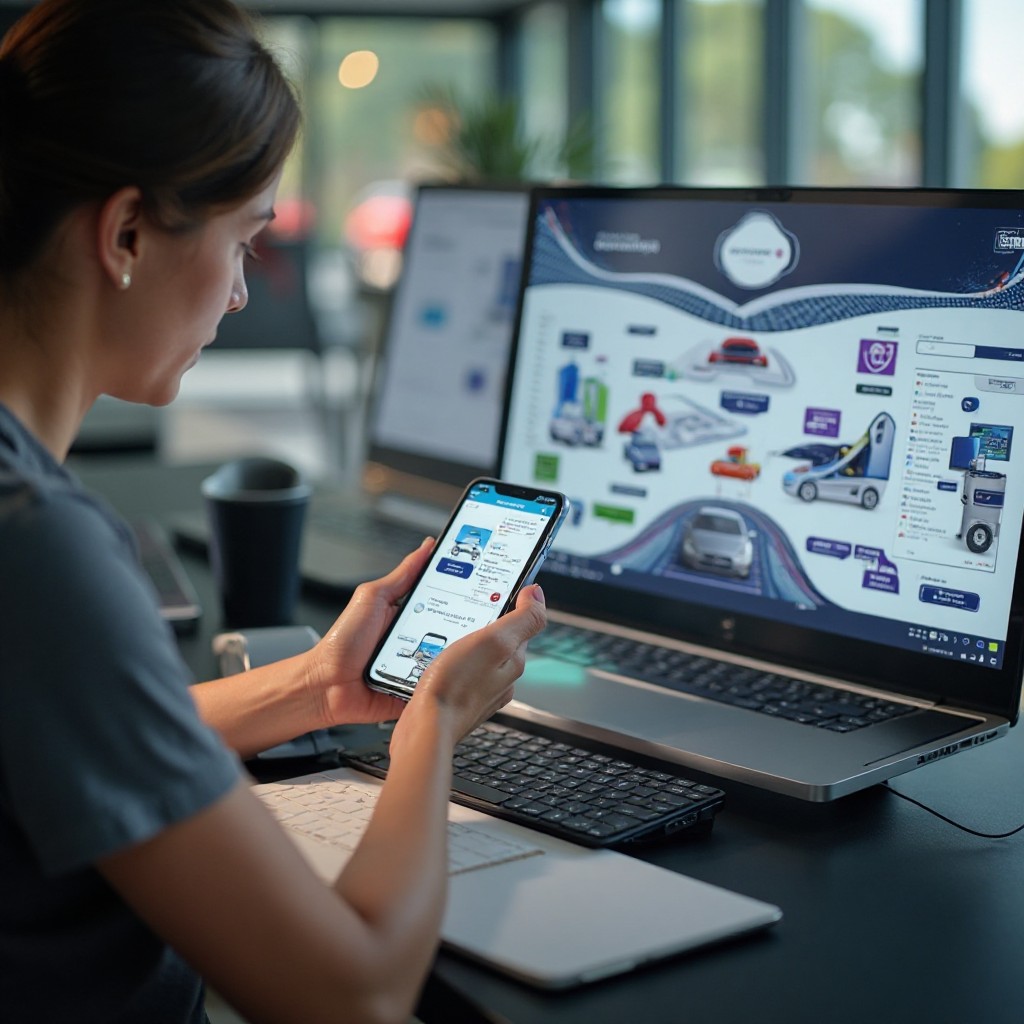
With over 70% of automotive shoppers now browsing on mobile devices, mobile-first design has evolved from best practice to absolute necessity. But in 2025, it's not just about responsive layouts—it's about optimizing the entire mobile experience. This includes thumb-friendly navigation, simplified forms, one-tap calling and messaging, fast loading times under 2 seconds, and mobile-specific features like augmented reality vehicle placement.
Google's mobile-first indexing means your mobile site performance directly impacts search rankings. Auto businesses that prioritize mobile experience are seeing significantly lower bounce rates and higher conversion rates from mobile traffic.
4. Video Content and Virtual Tours
Video has become the preferred content format for auto shoppers researching vehicles online. Successful automotive websites are incorporating professional walkaround videos, feature highlight reels, customer testimonial videos, virtual showroom tours, and service process explanations. Video content increases time on site and helps build trust with potential customers who can't visit in person.
The most effective approach combines professional production quality with authentic, relatable content. Many dealerships are finding success with a mix of high-end vehicle showcases and behind-the-scenes content that humanizes their brand.
5. Personalized User Experiences
Advanced websites now use data analytics and machine learning to deliver personalized experiences based on user behavior, location, browsing history, previous interactions, and demographic information. This might mean showing different vehicle recommendations, highlighting nearby locations, adjusting pricing displays based on detected interest, or customizing content based on the customer journey stage.
Personalization has proven incredibly effective at improving conversion rates. Auto businesses implementing personalization strategies report conversion increases of 20-30% compared to static, one-size-fits-all approaches.
6. Minimalist, Clean Design Aesthetics
The trend toward minimalism continues to dominate modern web design, and automotive sites are no exception. Clean layouts with ample white space, bold typography and clear hierarchy, high-quality imagery without clutter, strategic use of color to guide attention, and simplified navigation structures all contribute to better user experiences and higher conversion rates.
The goal is to eliminate distractions and make it effortlessly easy for customers to find information and take action. Every element on the page should serve a clear purpose.
7. Advanced Search and Filtering
Auto shoppers want to find their perfect vehicle quickly and easily. Modern automotive websites feature sophisticated search functionality with multi-criteria filtering, saved searches and alerts, comparison tools, price calculators, and availability status in real-time. The best implementations learn from user behavior to suggest relevant vehicles and improve search results over time.
Implementing These Trends for Your Auto Business
You don't need to implement every trend simultaneously to see results. Start by assessing your current website's performance and identifying the biggest opportunities for improvement. Consider your specific audience and business model when prioritizing which trends to adopt. Many of these features can be implemented incrementally, allowing you to measure impact and refine your approach.
The automotive industry's digital landscape will continue evolving rapidly, but these core trends represent proven strategies that successful auto businesses are using right now to attract more customers, provide better experiences, and drive more sales. Is your website keeping pace?
Ready to Modernize Your Automotive Website?
Our team specializes in implementing these cutting-edge web design trends for auto businesses across Canada. Let's discuss how we can transform your online presence.
Get Started Today